
The Real Public Health Crisis: How Viral "Wellness" Blogs Monetize Fear and Endanger Mothers
In the unregulated ecosystem of online wellness, clicks often masquerade as science. The recent "Tuna Tested for Toxic Mercury Guide" published by Mamavation is the latest example of this reckless trend. By framing standard, affordable pantry staples as "toxic" and relying on uncontextualized data, the article prioritizes algorithmic engagement over public health.
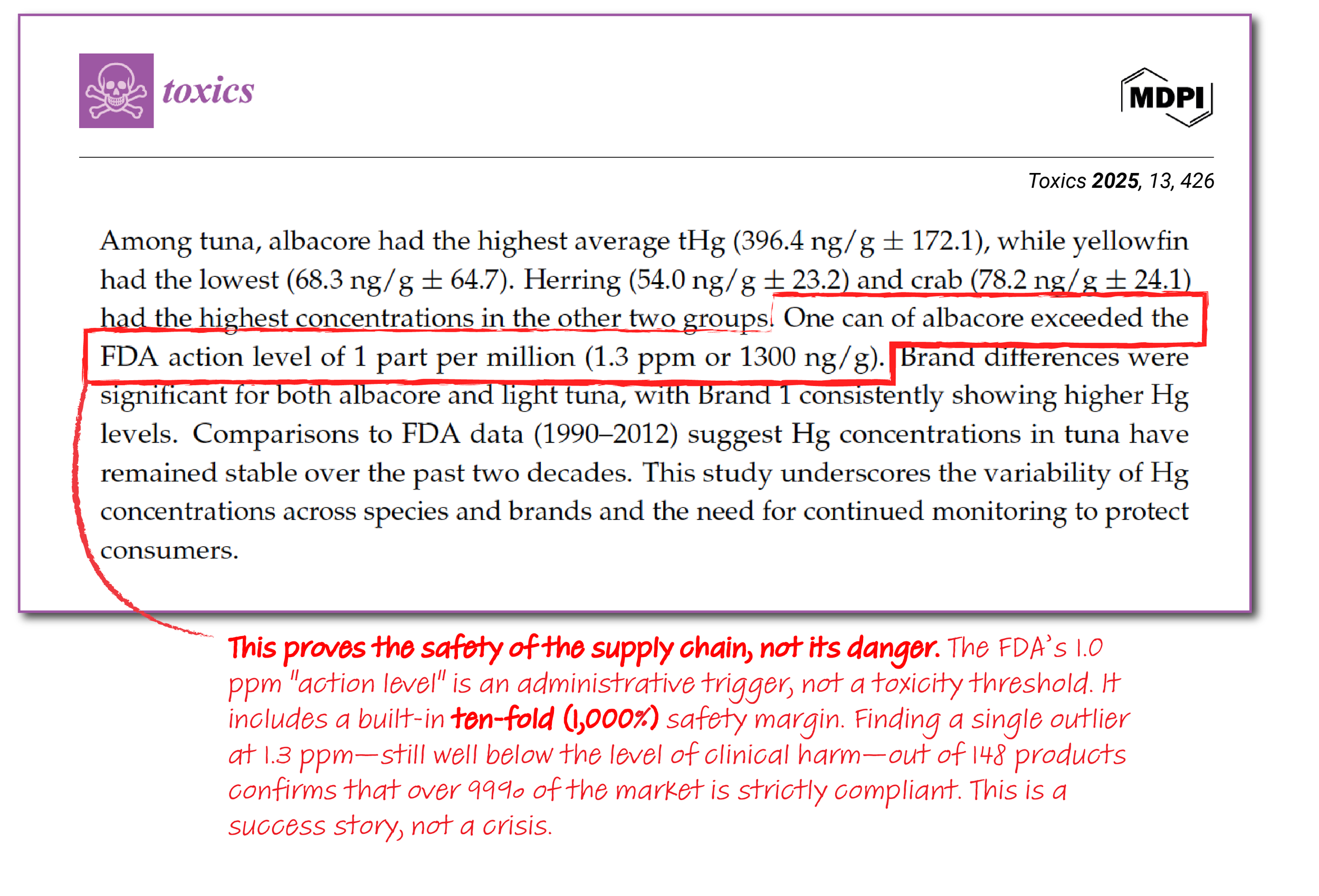
The premise of the piece—that consumers must rely on boutique "investigations" to navigate the seafood aisle—is not just scientifically dubious; it actively contributes to a nutritional deficit that experts warn is harming American families.
Deconstructing the "Toxic" Narrative
The Mamavation guide leans heavily on the scary-sounding buzzwords of toxicity, urging readers to avoid major brands based on arbitrary thresholds. This ignores the fundamental reality of seafood safety in the United States.
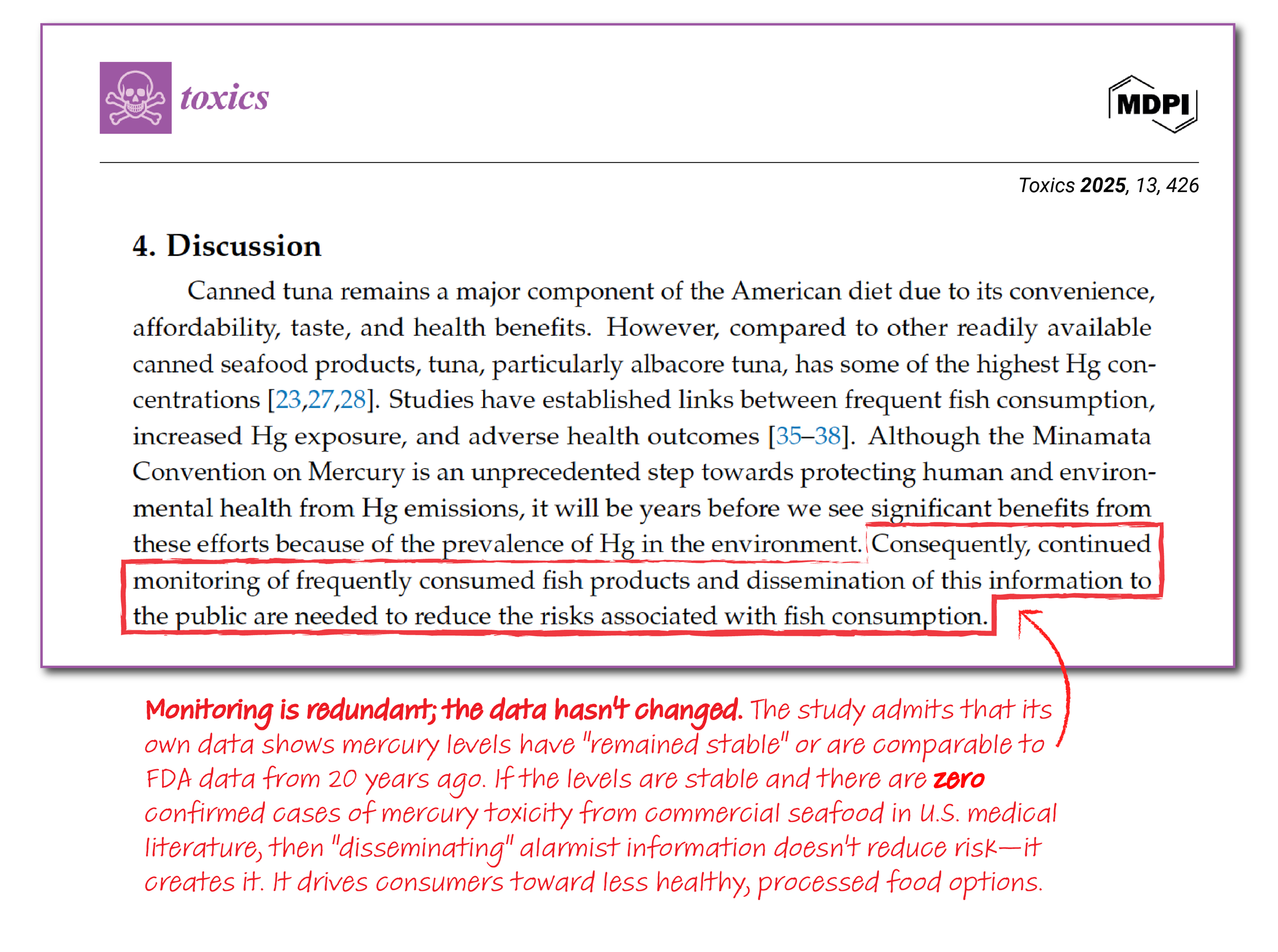
The assertion that commercially available canned tuna poses a significant mercury risk to the average consumer is a demonstrable myth. There has never been a confirmed case of methylmercury toxicity recorded in an American medical journal resulting from the ordinary consumption of commercial seafood.
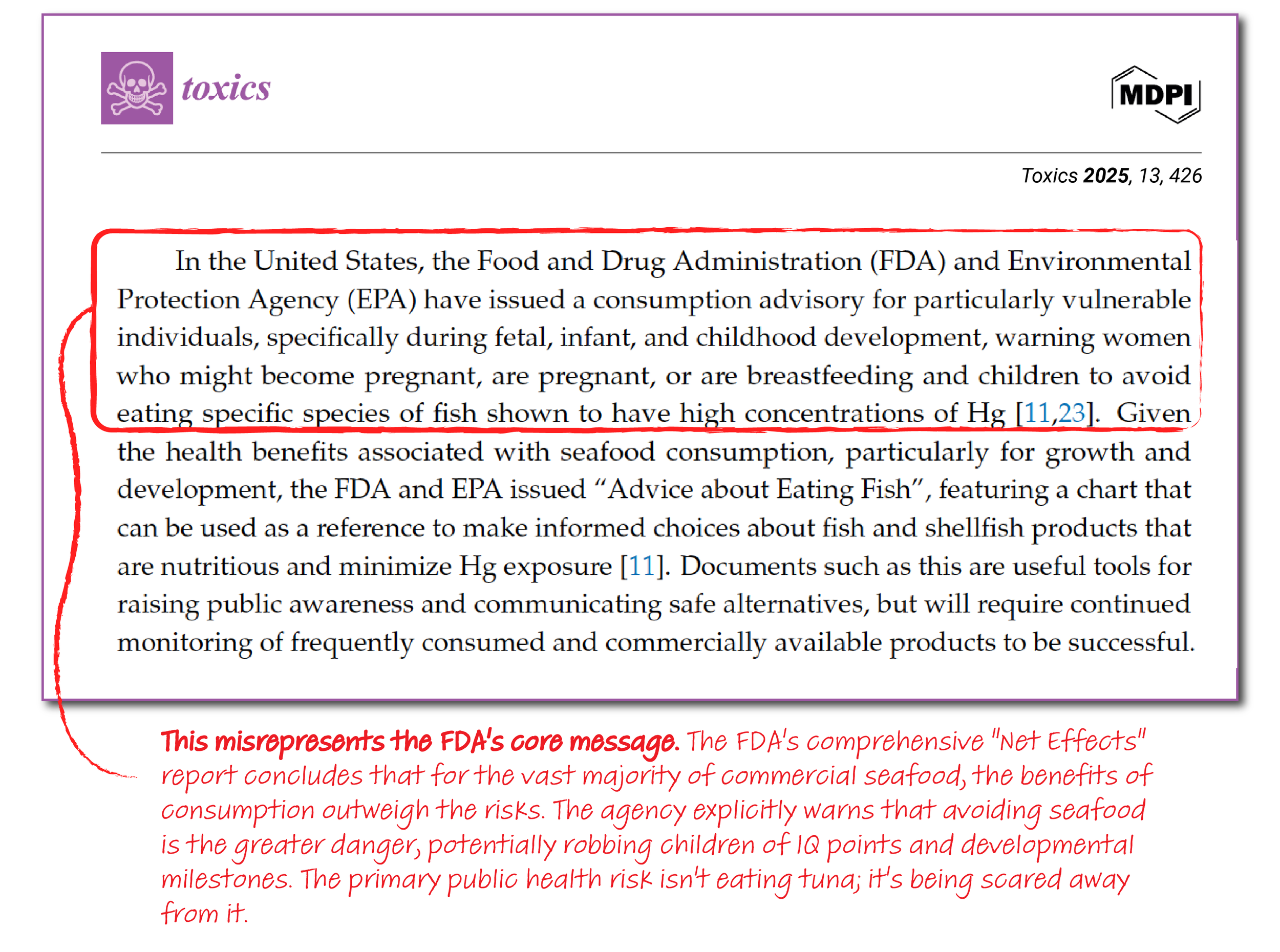
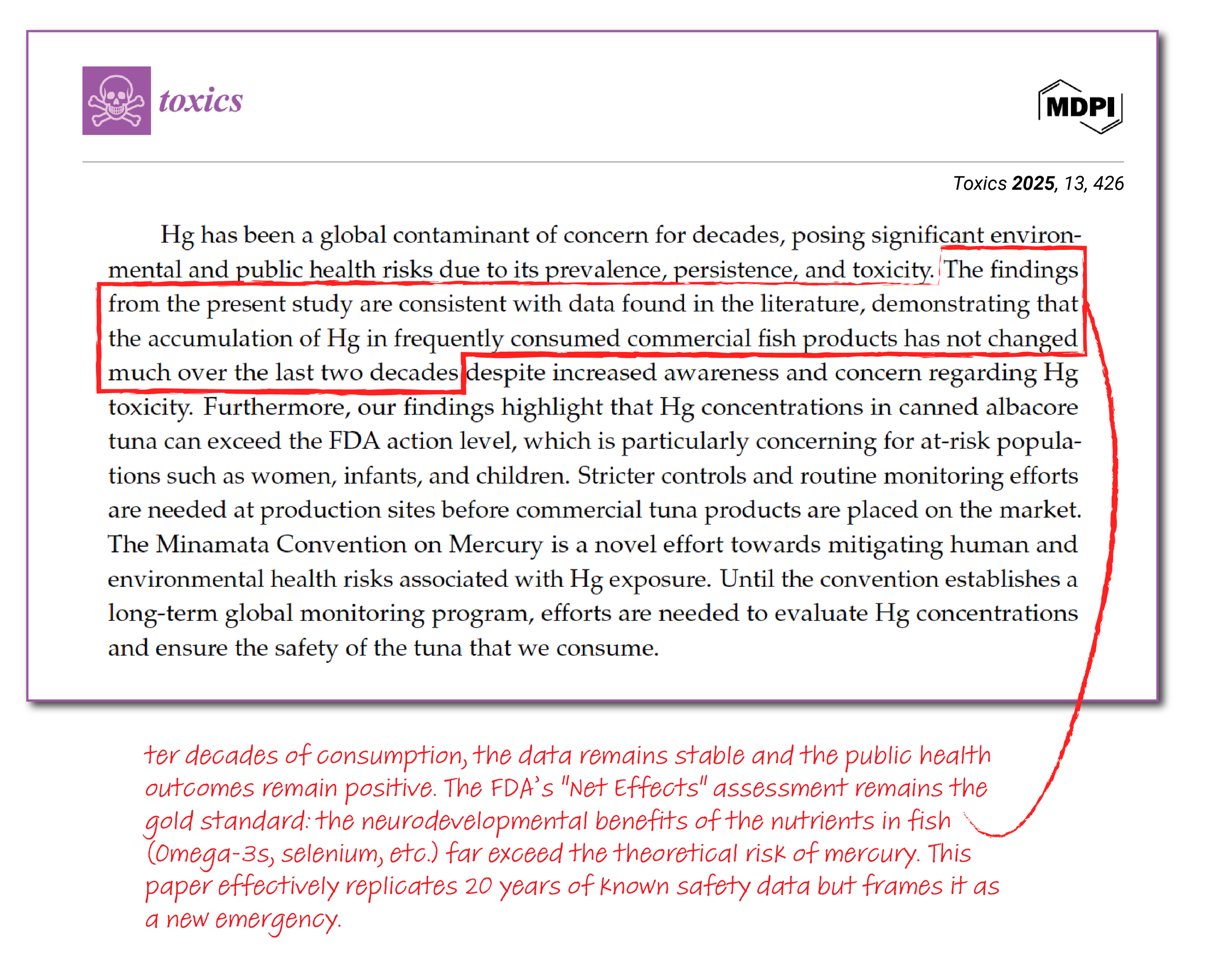
Mamavation alarms readers by citing mercury parts per million (ppm) without explaining the context of federal safety standards. The FDA’s safety limit for mercury in fish is 1.0 ppm—a limit that already includes a built-in ten-fold safety factor. The FDA’s own "Net Effects" report, a meta-analysis of over 100 peer-reviewed studies, concluded that the average person could safely eat canned tuna for breakfast, lunch, and dinner every day of the week without reaching a level of concern.
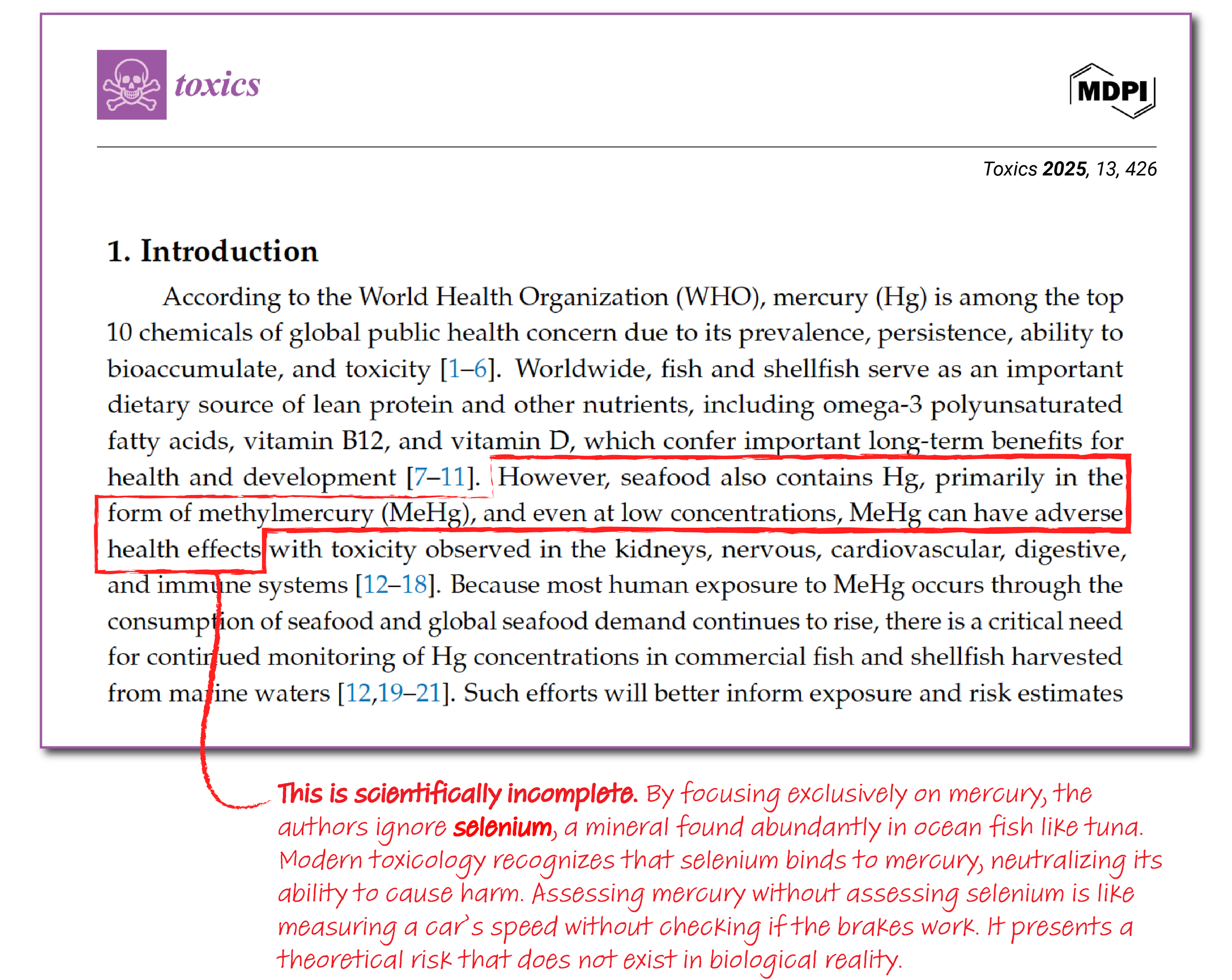
Furthermore, these alarmist guides commit a cardinal sin of nutritional science: they isolate mercury levels while ignoring selenium. Modern research indicates that the selenium found abundantly in ocean fish binds to mercury, effectively neutralizing it. To grade tuna solely on mercury content without accounting for this protective mechanism--and other beneficial and crucial nutrients in seafood--is scientifically incomplete and intellectually dishonest.
The Cost of "Clean" Elitism
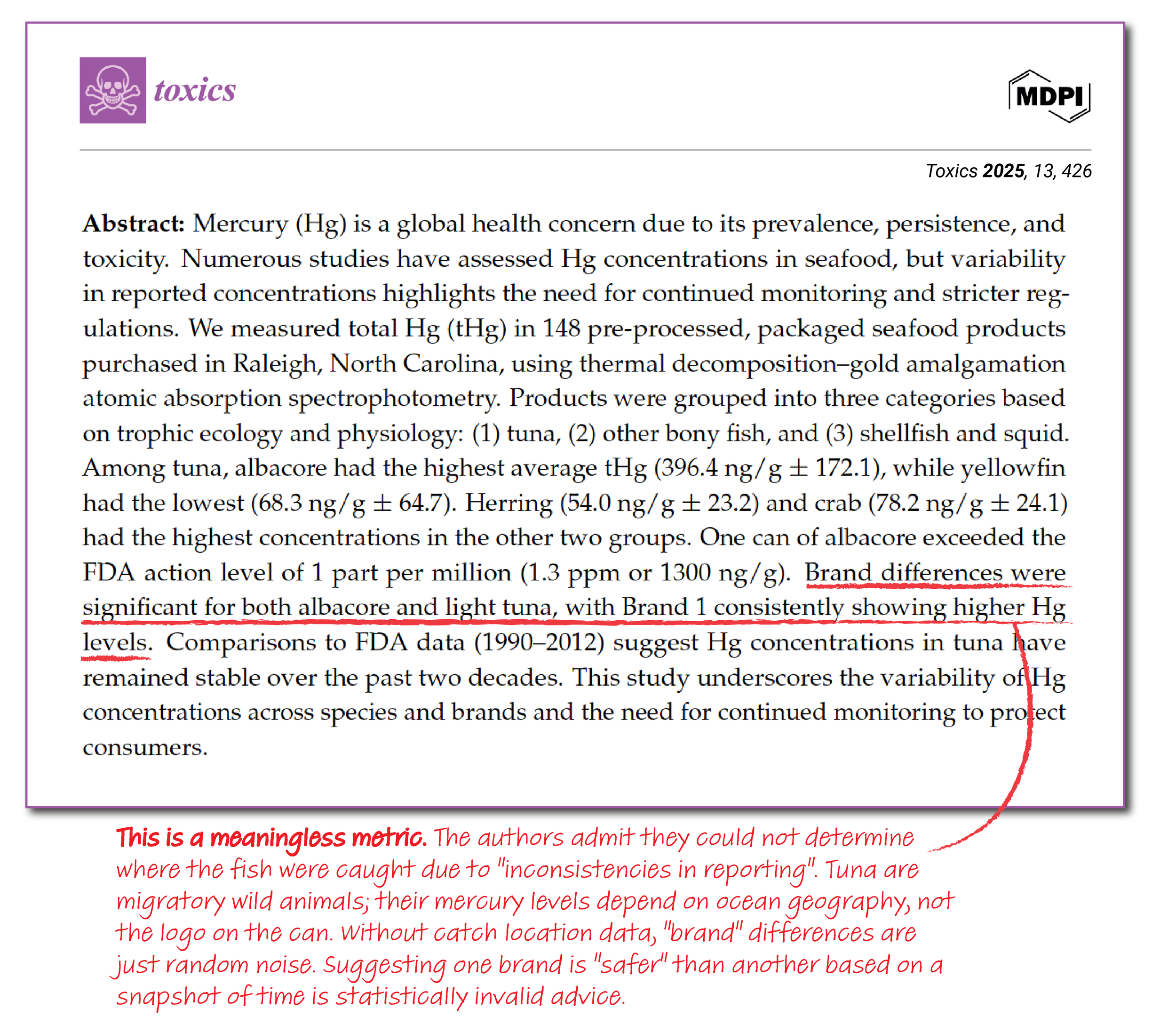
The Mamavation guide follows a predictable pattern often seen in similar reports from Consumer Reports: create a panic around affordable food, then point consumers toward expensive, niche alternatives. The article explicitly promotes brands like "Safe Catch," which market themselves on the premise of having "the lowest mercury."
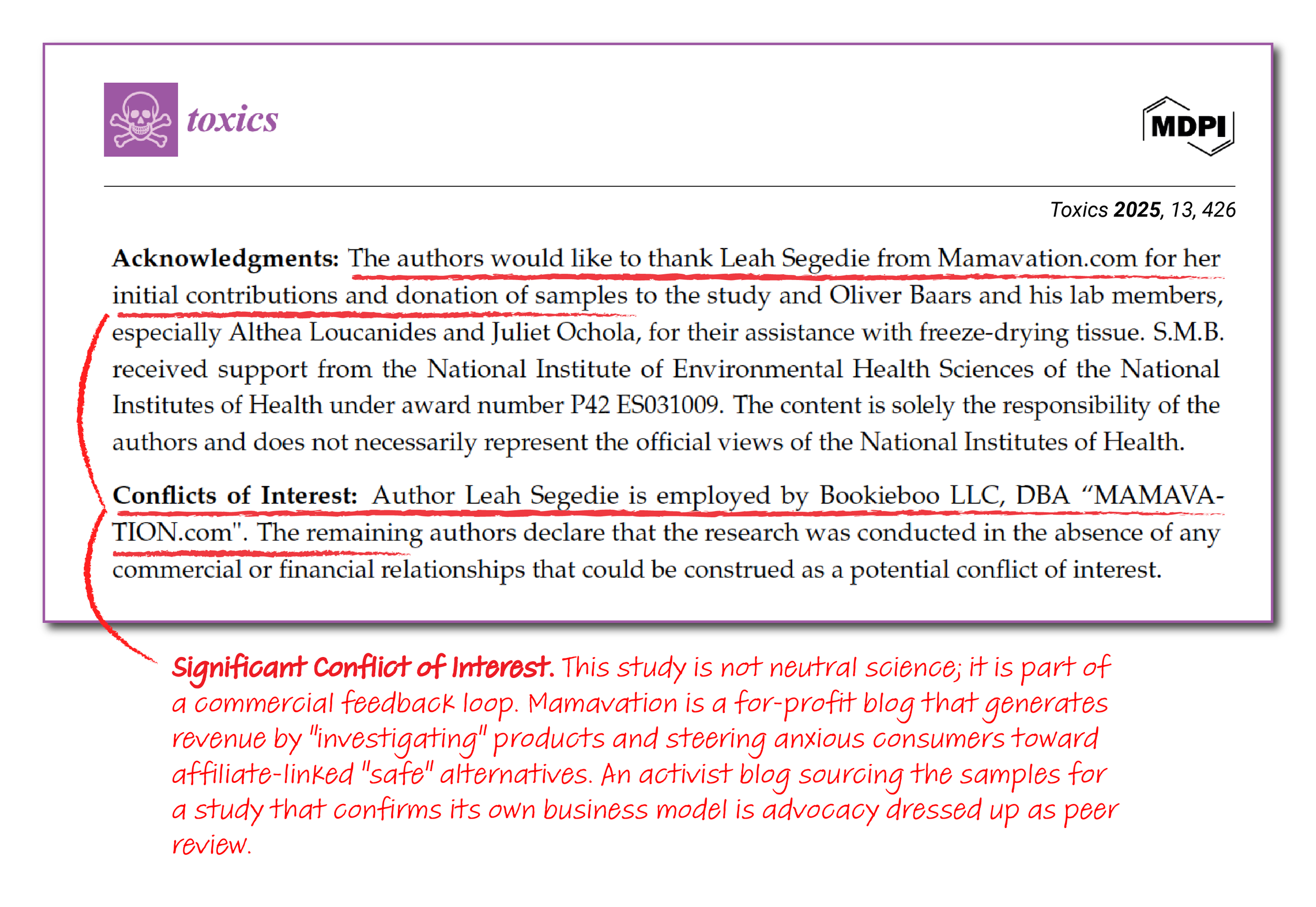
This is a solution in search of a problem. Fad diet influencers and brands that capitalize on fear are engaging in a cynical form of profit-taking. By suggesting that standard tuna brands are unsafe, they effectively tax low-income families who rely on canned tuna as a primary source of important nutrients.
The True Danger: The Nutrition Gap
The real scandal isn't what is inside the can; it is the public health consequence of scaring people away from it. The Mamavation guide’s advice to "avoid" vast categories of tuna contributes to a dangerous national deficit in seafood consumption.
Leading health organizations are clear on the stakes:
The latest Dietary Guidelines for Americans (DGA) recommend eating at least 9 ounces (2-3 servings) of a variety of seafood per week to prevent chronic disease.
Low seafood consumption is estimated to contribute to nearly 84,000 preventable deaths annually.
For pregnant women, avoiding fish is far riskier than eating it. The World Health Organization warns that avoiding seafood can compromise fetal brain development. Studies have shown that children of mothers who restricted seafood intake during pregnancy had appreciably lower IQs due to a lack of critical Omega-3 fatty acids like DHA.
Currently, pregnant women in the U.S. consume an average of just 1.8 ounces of seafood per week—dangerously below the recommended 8 to 12 ounces. When blogs warn women away from tuna, they are not protecting children; they are depriving them of the nutrients essential for their brain and immune system development.
American consumers deserve truth, not traffic-driving hyperbole. The major brands of canned tuna on U.S. shelves are safe, nutritious, and strictly regulated. Influencer guides must not override the consensus of the FDA, the USDA, and global health experts. The danger to public health is not the tuna sandwich—it is the fear-mongering that takes it off the table.